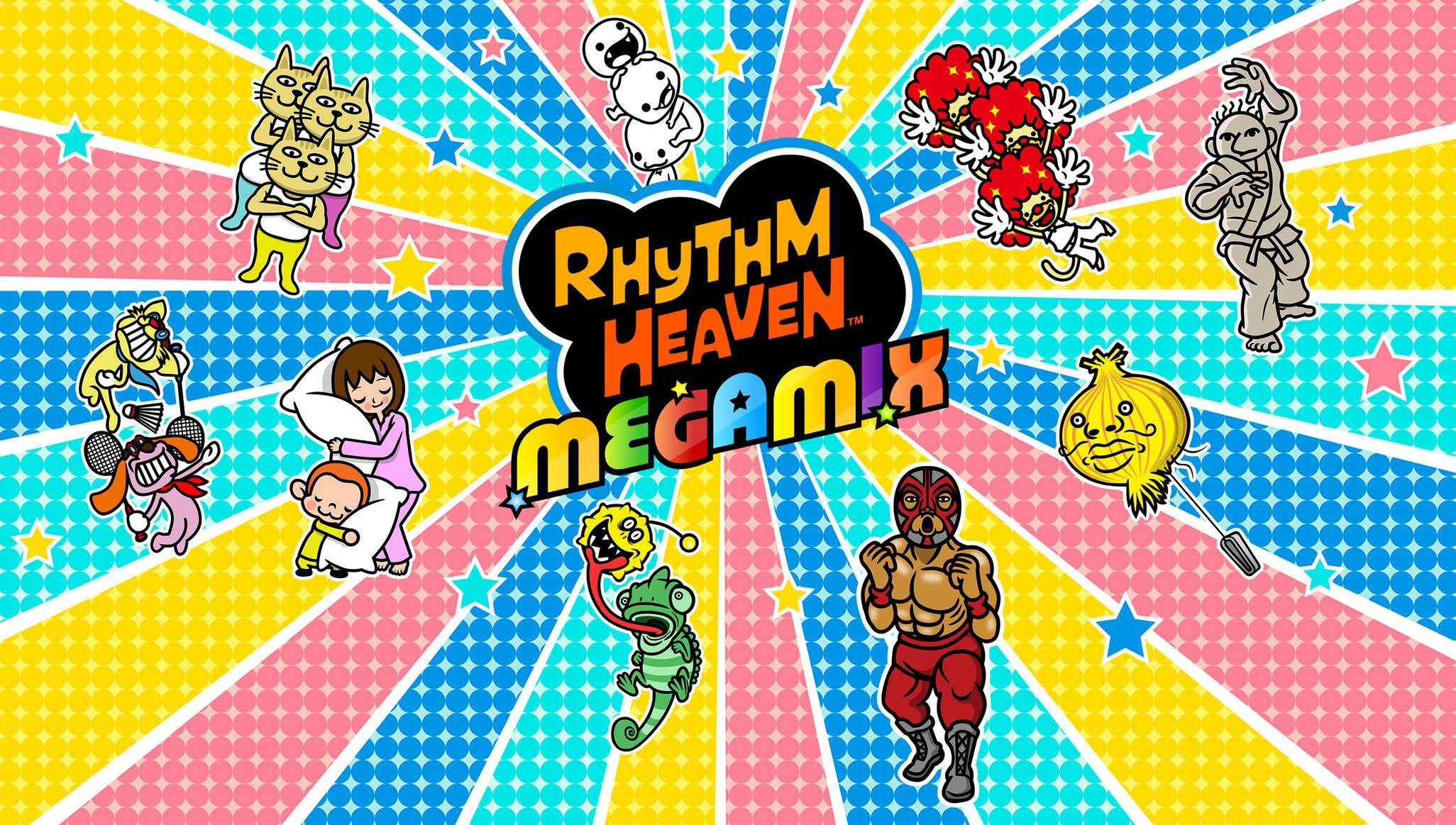
For those unaware, [Rhythm Heaven](https://www.nintendo.com//content/dam/noa/en_US/games/3ds/r/rhythm-heaven-megamix-3ds/hero-landscape-2052.jpg), known as Rhythm Paradise in PAL regions and Rhythm Tengoku in Japan, is Nintendo’s premiere quirky rhythm game series. The series primarily found its home on Nintendo’s handheld systems starting with the Game Boy Advance, with its only home console entry bombing hard in the West. But how did this series begin?
The series was originally conceived in 2004 by Japanese lyricist Tsunku, who wanted to make a rhythm game that didn’t rely on visual indicators. He was also heavily inspired by Brain Age, and wanted to train the player’s “Rhythm IQ,” so to speak. Meanwhile, Nintendo programmer Kazuyoshi Osawa had just wrapped up work on WarioWare and created a prototype for a drumming simulator on the Game Boy Advance. When Tsunku brought forth his proposal, Osawa was initially wary of its appeal but went along anyway, bringing the WarioWare team on board to aid the project. Tsunku served as lead composer and project supervisor, and he even had the development team take dance lessons to gauge their own sense of rhythm for research. The first game was released for the GBA in 2006 as a Japan exclusive, but the series had quite a future ahead of them.
Three more sequels followed, all of which featured gameplay improvements and plenty of new characters, stages, and songs. Rhythm Heaven for Nintendo DS released in 2008 in Japan and 2009 globally, and it has since sold over 3 million copies worldwide. Rhythm Heaven Fever released in 2011 in Japan and 2012 globally and brought the series to home consoles. This meant that players can listen to songs beyond the limits of audio compression. The stage Ringside in particular has become insanely popular even outside of the game. However as stated earlier, the game bombed hard outside of Japan, not even selling 120,000 copies in North America. Finally, Rhythm Heaven Megamix brought the series back to handhelds in 2015 in Japan and 2016 globally. This is a best-of compilation that brings together 70 curated minigames from across the franchise along with 30 brand new ones, making it the most feature-complete entry to date.
And that’s basically where we are at right now. Tsunku has expressed interest in bringing the series to the Nintendo Switch on [Twitter](https://twitter.com/tsunkuboy/status/1247677649821896704?s=21). But that’s Nintendo’s call, not his, and that tweet was made in April 2020. I suppose the only thing that we can do is wait and see.