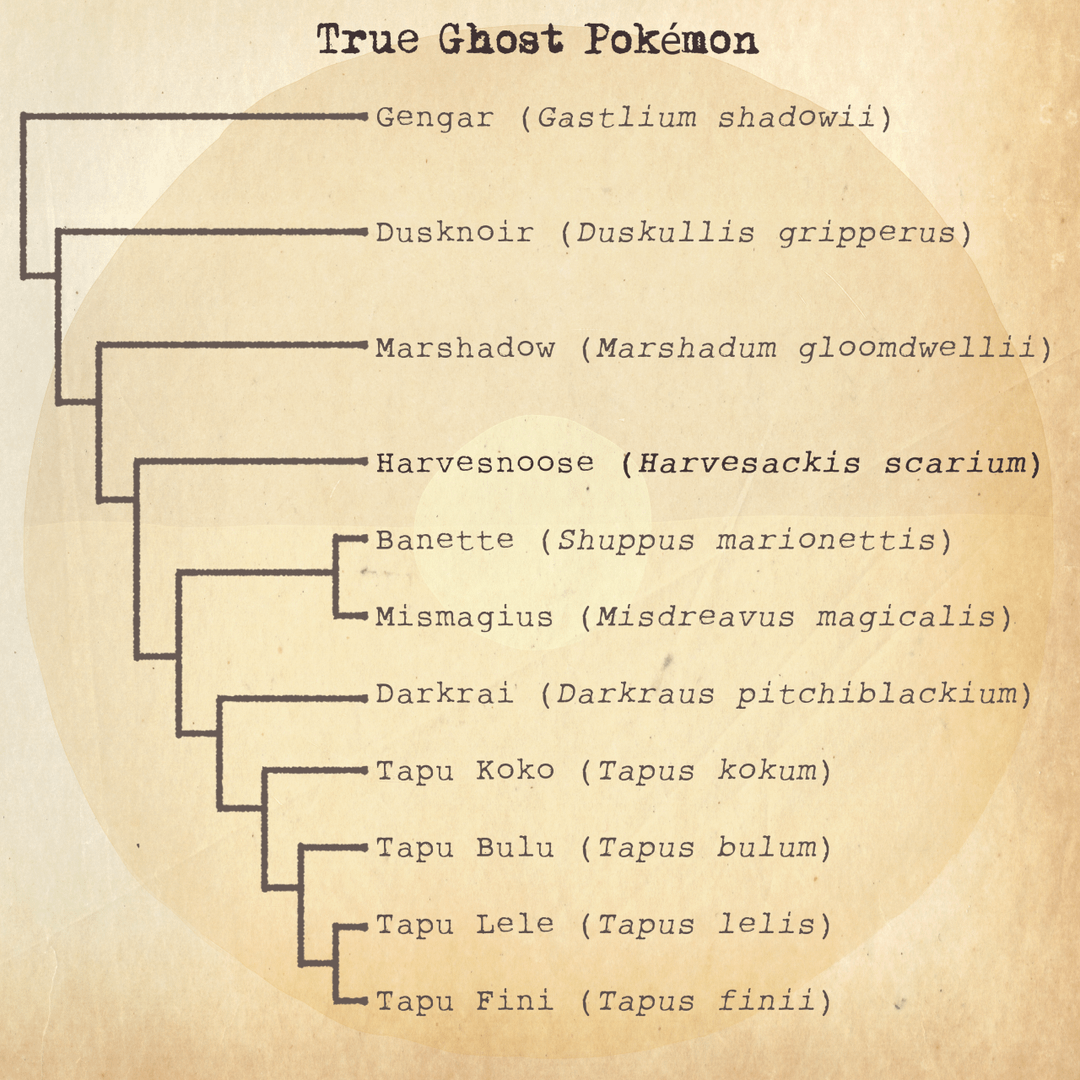
Pokémon like Gengar (Gastlium shadowii) and Darkrai (Darkraus pitchiblackium), currently part of the True Ghost Pokémon group, have been recorded disappearing into walls and turning into shadows. Because of this they have always been the focus of several legends and folklore stories.
This peculiar ability has yet to be explained scientifically, but there are several hypothesis. Some researchers have proposed that they might have full control over their molecular structure and change shapes to pass through wall cracks. Others have proposed that they can somehow modulate perfectly the vibrations of their molecules to align with the molecules on the solid surface and go through them. One last hypothesis involves the use of miniature “wormholes” (sort of portals that connect different points in physical space).
These hypothesis have not been tested and more research is needed, but some engineers believe it could be the basis needed for new breakthroughs in teleportation technologies.
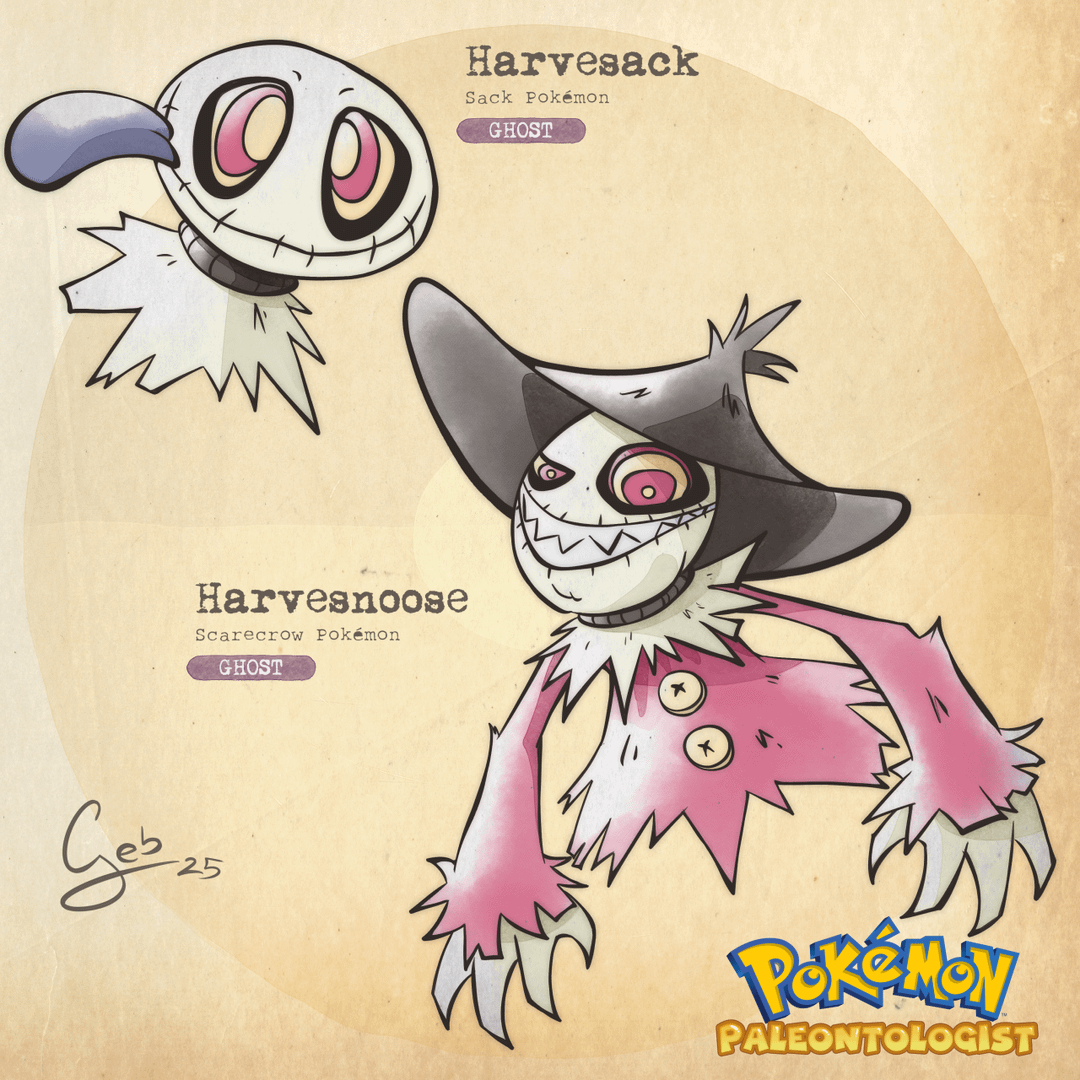
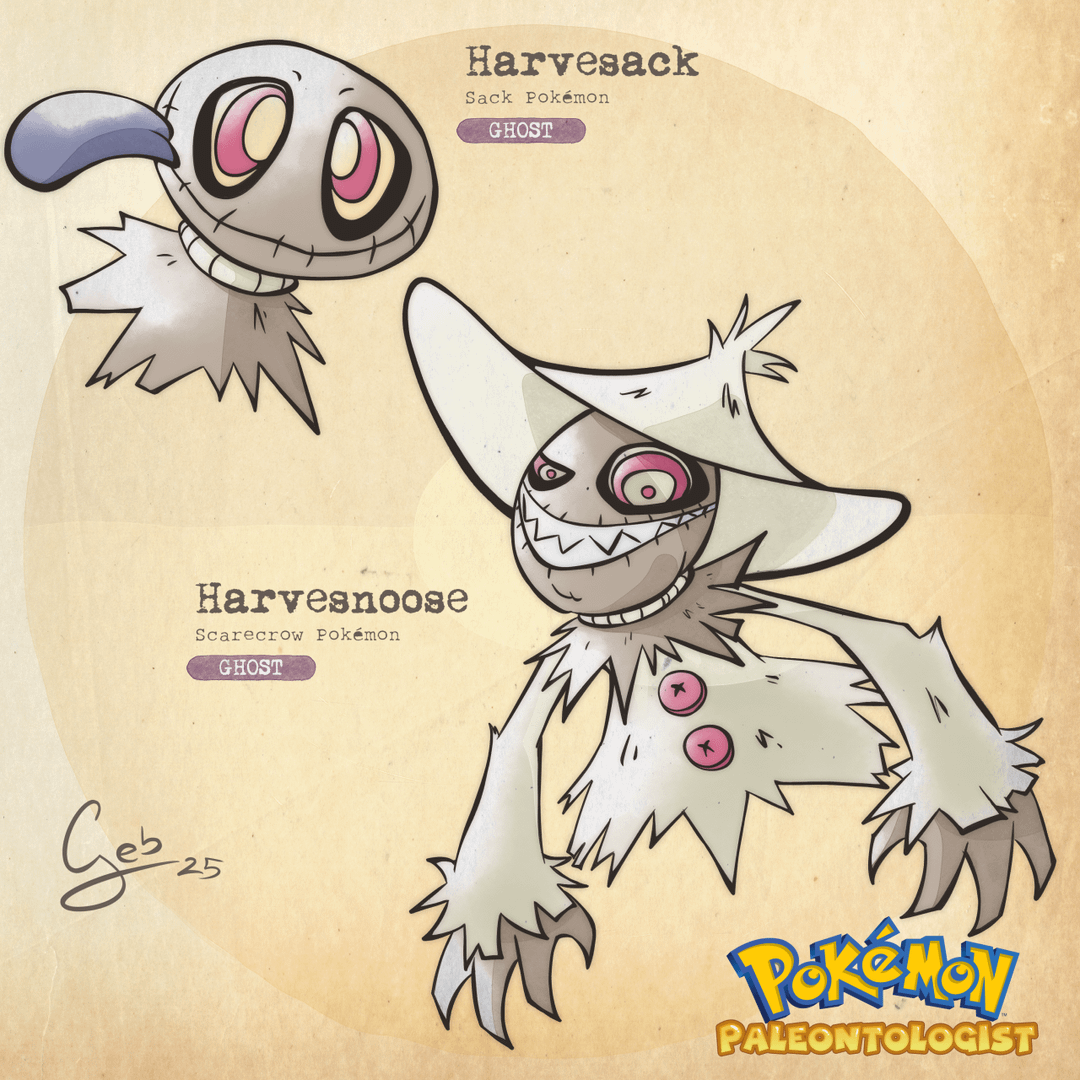
A new species of extinct True Ghost Pokémon called Harvesnoose (Harvesackis scarium) appears to have the same abilities of concealing itself in shadows. From ancient murals from around 8000 years ago it can be deduced that they were usually found in corn fields, and would hide in shadows cast by the plants to approach Bird Pokémon and hunt them. It is possible that they absorb fear as nutrients, since there are other True Ghost Pokémon that feed on emotions, but the claim can’t be confirmed as of now.
An example of a Pokémon adapting to human settlements, which could even imply domestication, however this has yet to be confirmed.
The causes of their extinction are yet to be determined, but the increase use of pesticides in the last decades might have had a disastrous effect on the species.
by GebF