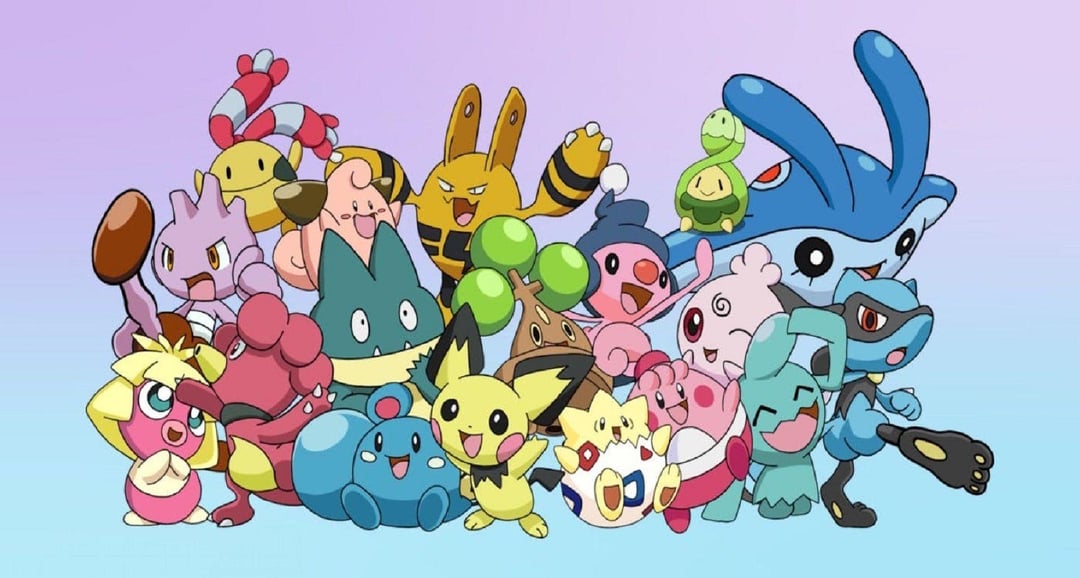
I'm well aware that a number of Pokemon can be found in plenty of different regions, but it just occured to me that Baby Pokemon actually reflect real migration patterns and/or life cycles, for lack of a better term. Johto is the best example of this, having plenty of baby forms for older Gen 1 pokemon.
The closest real-life example I can think of is sea turtles, who lay their eggs on shores and leave them behind until the young hatch and reach the ocean, or even animals like some birds that move to different climate areas or even different parts of the same area to nest.
Obviously this isn't a 1-to-1 match of this scenario; some babies were released alongside an evolved form (Budew being a special case, being added with its third stage Roserade), and Chingling doesn't evolve; but a good chunk of them could follow that same principle.
I could be missing something like hidden dex entries or dialogue, but this is mainly just me trying to rationalize as to why baby forms of certain Pokemon canonically aren't "discovered" until later generations(like how Munchlax isn't found in the wild until Sinnoh in Gen 4)
by luvli-kml