People love to call the Wii U a flop, but the truth is, it was just misunderstood.
The Wii U GamePad was the Switch before the Switch, with off TV play, touchscreen control, and second screen gameplay all starting there. It did need the Wii U console powered on to work, but it proved that Nintendo could merge handheld and home console play in one system. Sony had experimented with Remote Play between PSP and PS3, but the Wii U was the first to make low latency, second screen gameplay the core of its design, not an optional feature.
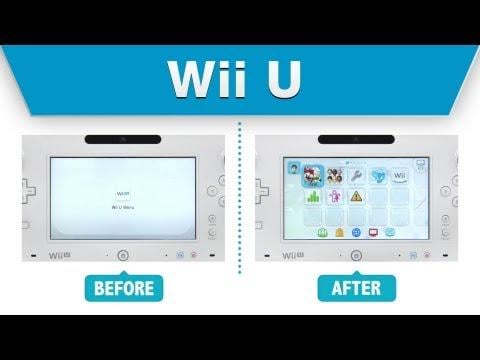
Yes, the OS was sluggish at launch in 2012, but Nintendo fixed that fast. The April 2013 update, version 3.0.0 U, massively improved load times and added background downloads. Nintendo even uploaded a video showing the difference, with menus now opening in seconds instead of nearly a minute.
Watch Nintendo’s official April 2013 Wii U update demo
That video alone shows Nintendo was not afraid to admit their system had flaws and then fix them. They took accountability, something you rarely see from big companies today. Later patches, including version 5.5.6 U in 2022, continued to improve stability and polish the overall experience.
Third party support was weak, sure, but nobody buys a Nintendo console for Call of Duty or Elden Ring. You buy Nintendo for Nintendo, for Smash Bros, Mario Kart 8, Splatoon, Donkey Kong, Zelda, and yes, even Pokémon spin offs like Pokkén Tournament and Pokémon Rumble U. Those exclusives alone gave the Wii U a unique identity.
The Switch did not come out of nowhere. The Wii U walked so the Switch could run. It was not a bad console, it was an idea that arrived five years too early.
by ThoughtExtreme165