I’m gonna preface this post by saying I am not necessarily saying this is a unilaterally bad thing; it’s all a matter of taste. Stuff like Mario + Rabbids and Star Fox Adventures are fan favorites, and those were developed outside of Nintendo. What I am going to do here is give a frame of reference for everyone using three Nintendo franchises in particular.
All three of these franchises here follow a similar pattern: they began life in the 80s as projects from Nintendo’s own development studios and partners. But in the 90s they all fell out of favor as they stopped getting releases altogether.
That all changed in the 2000s when they were given new life, and as such they substantially grew in popularity in international territories. And now it’s reached a point where the latest entries from each of these franchises have all been developed by non-Japanese studios. Let’s take a look:
**1. Metroid:** Originally entirely conceived and developed in house at Nintendo (with some help from Intelligent Systems, more on them later), the Metroid series stopped seeing new releases for a while after 1994. That is until the year 2002 when two new games showed up at the same time: the in-house developed Metroid Fusion and the American-developed Metroid Prime. While 2D games stopped coming out shortly after, developer Retro Studios followed up Prime with two successful sequels, with Prime spinoffs also being handled by Western teams. Meanwhile 2D Metroid needed a new studio to shepherd it, and they found one in the Spain-based developer MercurySteam with the critically acclaimed Samus Returns and Metroid Dread. As of this writing, more than half of the games in the Metroid franchise were developed outside of Japan.
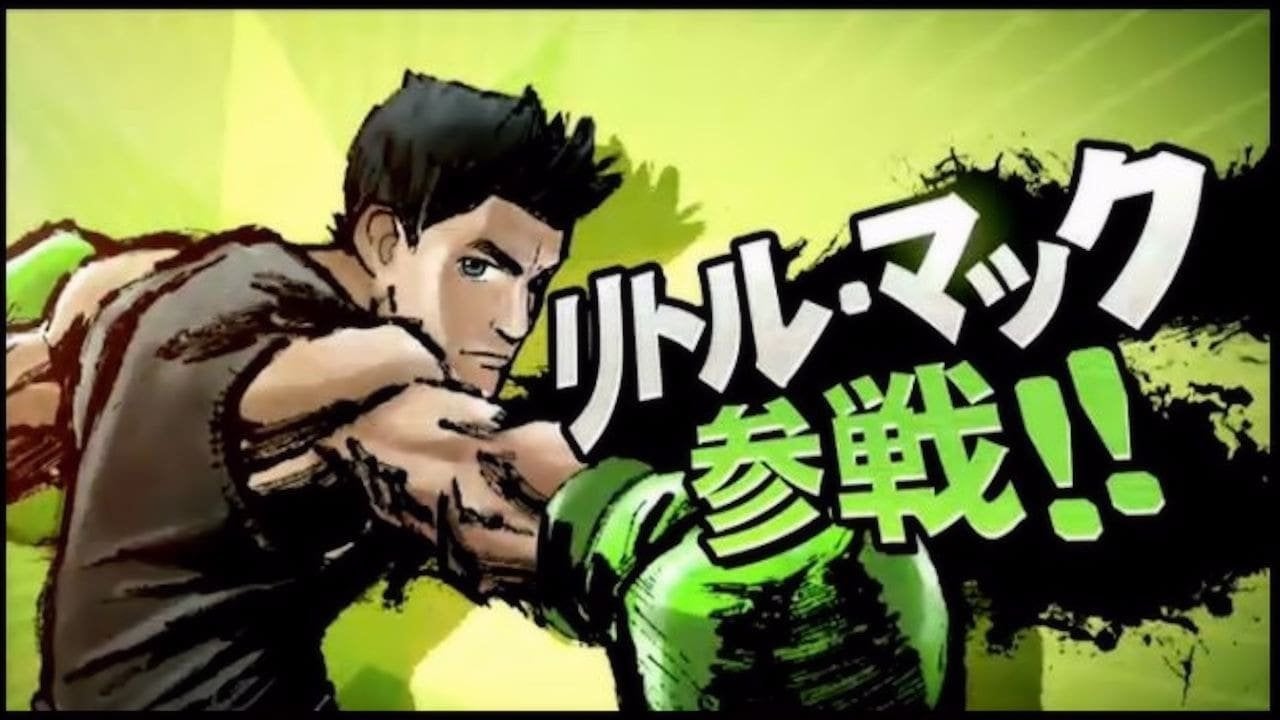
**2. Punch Out:** Signs of Punch Out’s “westernization” can be seen as early as the late 80s with the home release of the Tyson version. Sales exploded in North America to the point where Nintendo relocalized the already-released Japanese version to include the new heavyweight champion. But after the SNES, the series just vanished without a trace. Smash cut to 2007 and Metroid Prime series producer Kensuke Tanabe asked the Canada-based Next Level Games about what they wanted to make next, and their answer was Punch Out. They loved playing the NES game as kids and wanted to recapture its magic and charm. And so Punch Out Wii comes out two years later and sells a million copies, even earning Little Mac a fighter slot in the next Smash Bros. game. Fun fact: while Western audiences were excited for Little Mac in Smash, Japanese audiences were generally miffed at his inclusion. See [this link](https://legendsoflocalization.com/what-does-japan-think-of-little-mac-in-smash-bros/) for more details.
**3. Advance Wars:** Back when the series was just called Famicom Wars, developer Intelligent Systems didn’t think the strategy gameplay of either it or Fire Emblem would be suitable for international audiences. But after they released Advance Wars internationally in 2001 to critical and commercial success, that impression completely flipped. Higher-ups literally cite the international success of Advance Wars as a key reason they decided to release Fire Emblem in the West. The colorful style, modern military setting, and quirky cast of characters would ensure the series would remain consistently more popular outside of Japan (well that and the fact that this series could almost never get a game released in Japan on time anyway). The fourth game in the series, Days of Ruin, took advantage of this global popularity by being explicitly designed to cater to Western audiences. But after that the series went dark, and it didn’t resurface again until last year with the announcement of Advance Wars 1+2: Re-Boot Camp for the Switch. One curious detail about the project was that it isn’t being developed by Intelligent Systems; it is instead being handled by the prolific American indie studio WayForward, responsible for IPs like Shantae and Mighty Switch Force as well as retro revivals like Contra 4 and DuckTales Remastered. And to top it all off, this game isn’t even coming to Japan!
So those are some notable examples of Nintendo letting non-Japanese studios work on their properties and it turning out well, and how the general perception of those franchises have shifted ever since. But there are also others where it hasn’t worked out quite as well (Star Fox Command for instance) and this post is running long as is. So what do you think about these kinds of collaborations? Does it immediately catch your eye whenever a non-Japanese studio takes a stab at an existing Nintendo property? Or do you not bother paying attention to the developer and just play the games as they are?