Resident Evil 4 was a historically important game for multiple reasons, not to mention being a risky one. Whether fans were happy about it or not, it was transformational for Capcom’s franchise, going from a fixed camera survival horror series to an over-the-shoulder action-driven one, and it helped introduce Resident Evil to a whole new audience by being a GameCube exclusive, however limited it ended up being.
Although it didn’t work out the way Capcom and Nintendo had hoped, Resident Evil 4 eventually got the recognition it deserved once the PS2 port arrived, and it ultimately found homes on just about every platform going after that, with arguably the best iteration being the Wii motion-controlled version. RE4 set a new standard for the third-person action shooter, and few failed to match it – and it still holds up today.
This is the age of remakes, though, with Capcom continuing its streak of them since the releases of ground-up redoes of both Resident Evil 2 and Resident Evil 3. Leon Kennedy’s Spanish exploit finally got the same treatment back in 2023 and now arrives on Nintendo Switch 2 alongside its prequels.

Six years on from his hellish first day as a Raccoon City Police Department cop, Leon now works as a United States government agent. His mission this time sees him travelling to a remote Spanish village to rescue the US president’s daughter, Ashley Graham. Little does he know that the cultish goings-on in this remote part of Spain mean he is in for another freaky day on the job – except this time without the zombies.
Having played the original GameCube game extensively back in the day, in some respects it doesn’t feel like much has changed to begin with. This is likely owed to the fact that, unlike the remakes of Resident Evil 2 and 3, there isn’t a camera perspective transition here. A bit of progression through the village does start to reveal the small differences in level design, though, as well as minor gameplay changes such as not being able to kick down ladders when enemies are climbing them.
There is a lot of familiarity in some segments, while others feel a good bit more altered for the better; there are less QTE sequences and Leon controls much more fluidly. However, this time, players must think more about when they use their knife, as it can degrade to the point of being damaged until it is repaired by the merchant. The ability to strafe Leon around freely arguably removes a lot of the tension in combat situations, but it would be hard to argue against not allowing for this update in movement.

Perhaps it’s due to having played the original version so many times, but there isn’t too much of a scare factor throughout much of the adventure – although it does exist in a few moments. Rather oddly, creepy areas like the graveyard have become far less frightening, especially as nighttime segments are overly bright when compared to the GameCube classic. In fact, it’s probably why some of the darkest areas in the castle become the more terrifying parts of the game – especially Ashley’s redone playable section in which she must navigate past sword-wielding knights.
Ashley herself has become a much more interesting character this time around. The voice acting is brilliant, with some of the most authentic screams heard from someone caught up in a life-threatening situation as the one she finds herself in. You can tell the trauma she is going through. The interactions between her and Leon feel genuine, and Ashley comes across like an actual young woman now, and not a child as in the original.
It is also hugely appreciated to hear actual Castilian Spanish language being used. Resident Evil 4 was all over the place linguistically, using Latin American phrasing and pronunciations, with all sorts of errors cropping up in dialogue that didn’t make sense. The voicework has been completely redone with a level of faithfulness that grounds the story within this fictional region of Spain.

Although Resident Evil 4 remake throws in a few changes story-wise and gameplay-wise, none of it feels any worse than what the original did. In fact, it adds a freshness that gives something to look forward to, somewhat like what the remade Final Fantasy VII series has done, in a way. The fact that there is a familiarity to the overall game for anyone that played the 2005 release may mean it can feel a bit like going through the motions. Knowing what to expect limits the surprise, but a few alterations here and there keep players on their toes and allows the remake to compliment the original in a positive manner.
Additionally, there has been a conscious effort to portray the extremity of the sickening acts and rituals the cultists have been committing to a much higher degree than before. Leon will come across multiple bodies that have been mutilated and sacrificed, and the contraptions and gore placed around is far more than the original game. It paints a picture of exactly the kind of people the cultists are and adds another layer of depravity to their messed-up minds.
The gunplay is as rewarding as ever, with satisfying shots, reload animations, and reactive enemies that present a little strategy in how to approach them. Optional quests (taking out special monsters, shooting all blue medallions, etc.) and finding treasure offer extra incentive to stick around and take in the atmosphere of each area, although there is always a huge desire to keep pressing onwards to see what messed-up contraptions to blow to bits are up next. There can be some camera issues that affect tense moments negatively, but generally there is a much better feeling game here than the GameCube iteration.

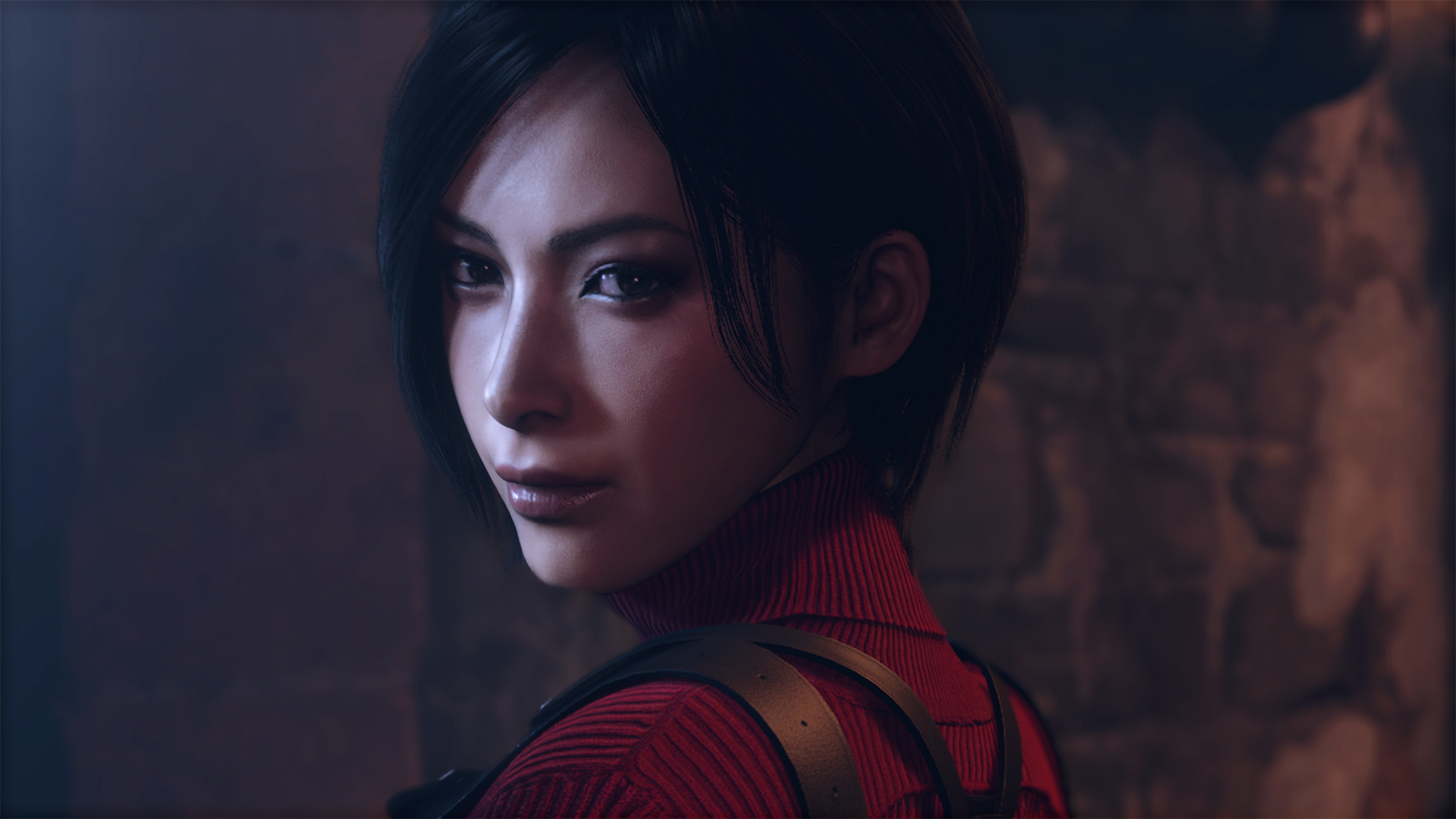
This being the Gold Edition, too, means a bunch of DLC comes as standard, including costumes and Ada’s short campaign, Separate Ways, which gives extra insight into what she was up to while Leon fends off the cultists. Thankfully, The Mercenaries, a score attack mode that just about any modern Resident Evil fan will be familiar with, returns here, extracting more out of the gameplay that may not be applied during the main game, and adds dozens of extra hours of addictive replay value.
It all looks absolutely fantastic on Nintendo Switch 2, with smooth frame rates and high-quality visuals. The hair effects stand out as being a bit too dithery, and there can be a particularly strange effect in darker areas where colours seem at odds with each other, but this is easily one of the best-looking games on the system to date. It’s capped off with some really welcome gyro controls, although the lack of mouse mode is a shame.