PC Guide is reader-supported. When you buy through links on our site, we may earn an affiliate commission. Read More
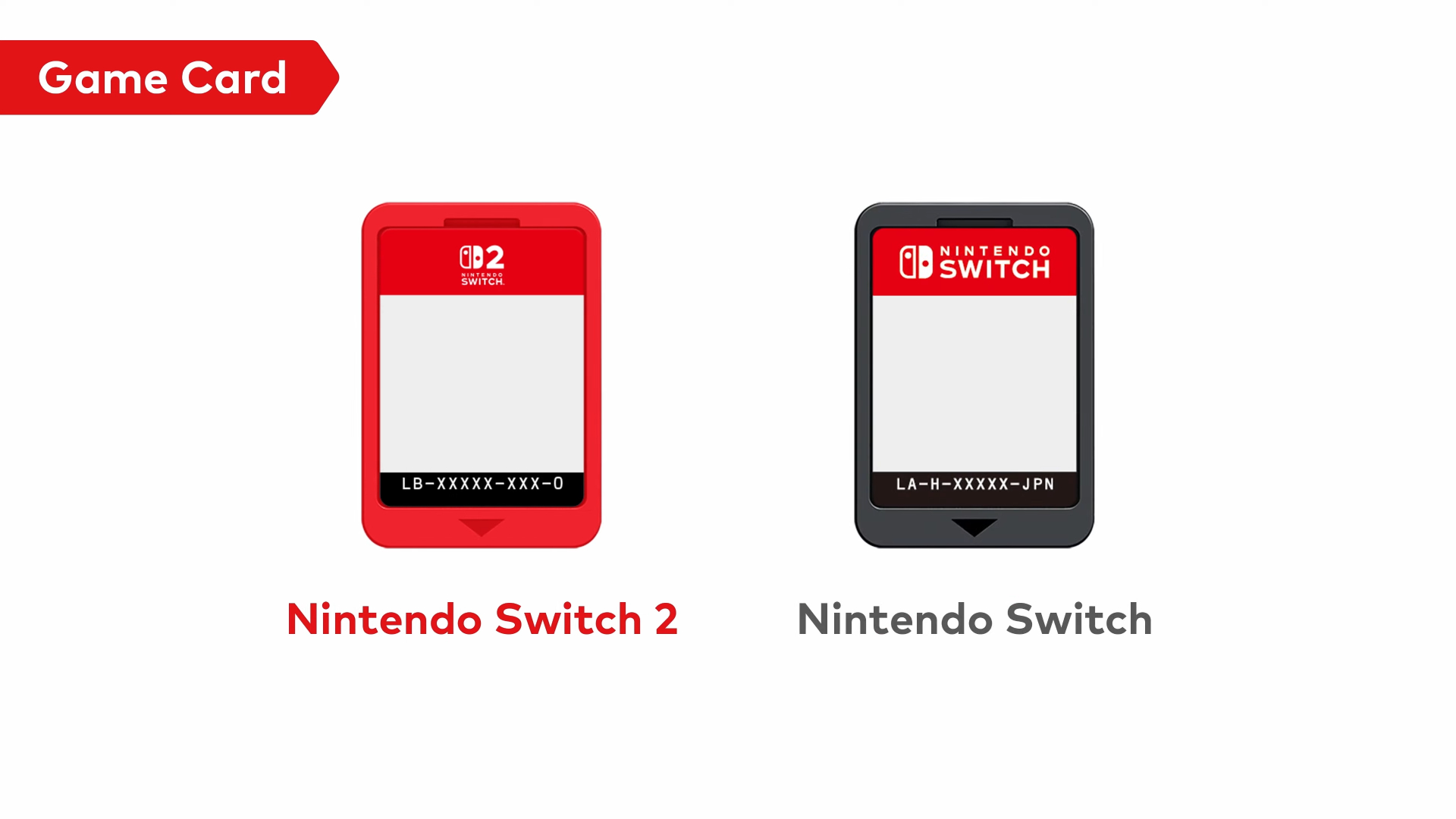
Macronix, a Taiwanese company that works as a key supplier for Nintendo, has reportedly ceased production of its ROM chips for Switch 1 and Switch 2 cartridges (or ‘Game Cards’ as Nintendo officially calls them). According to the report, Macronix has shifted focus away from its Read-Only Memory chips to instead focus on more lucrative eMMC and NAND chips.
While the Nintendo Switch and Switch 2 do use eMMC and NAND, respectively, for their internal storage, the actual Game Cards themselves use specialized ROM chips (such as Macronix’s proprietary XtraROM technology). As a long-time collaborator, Macronix is Nintendo’s biggest ROM chip supplier, but it’s worth pointing out that it’s not the Japanese video game giant’s only one.
Physical game cartridges will still exist, but digital will continue to grow
Reporting on Macronix’s recently published Q3 results, David Gibson, senior analyst at MST Financial, says ROM sales at the company dropped to just 5%, down from 26% last year, and the third quarter marks the final time Macronix will publish its ROM chip sales separately. Digital game sales continue to rise, but Nintendo remains the biggest seller of physical video games, and there are “no plans” to ditch physical sales, based on a recent interview with GM Bill van Zyll.
Latest tech deals.
Prices correct as of October 9th, 2026.
1/4 Nintendo’s main memory chip maker is quitting the Switch business
Macronix, which makes the ROM chips in Switch 1 and Switch 2 game memory cards, is phasing out that business. There will be no new ROM products, and Q3 is the last quarter it reports ROM sales separately.
— David Gibson (@gibbogame) November 4, 2026
Given the fact that there are alternative suppliers, Gibson’s view on this situation is that Nintendo’s physical card sales “will likely carry on for some time,” but at the same time, digital Game-Key Cards or otherwise entirely digital sales will continue to grow. Gibson notes that 61.5% of Nintendo’s software sales were digital games between April and June this year, up from 41.6% in the same period of 2025. Nintendo is due to publish its next financial report on Thursday, November 5, where we can expect to see results for the July-September period.