First-person puzzle games can be a real treat for the player to break down and siphon through. Desolus, an indie title published by the Quantum Astrophysicists Guild (developers of The Bridge), attempts to join the ranks of many of the prestigious titles that came before it. But does it manage to do this with ease, or is it a product of a different time?
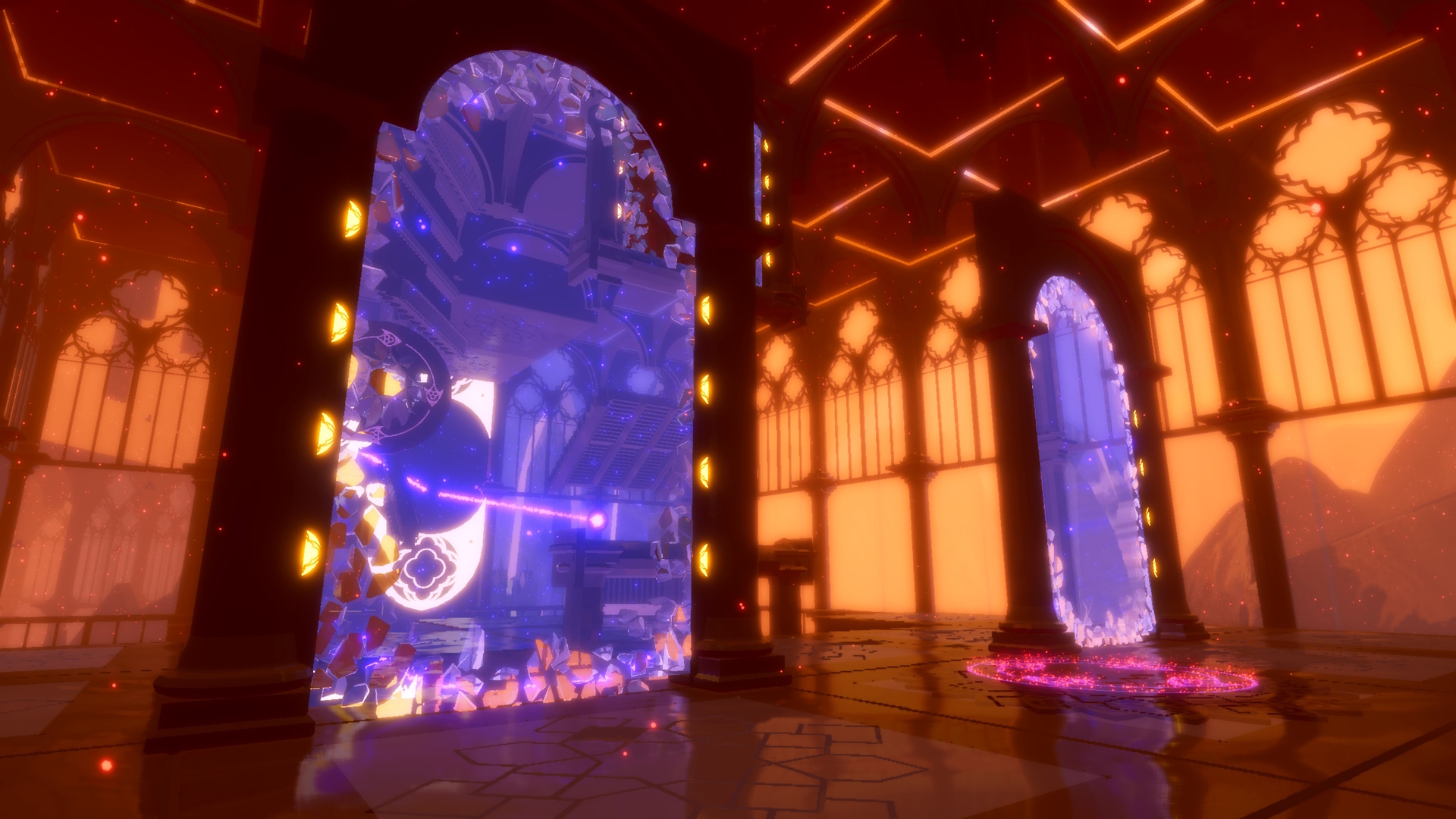
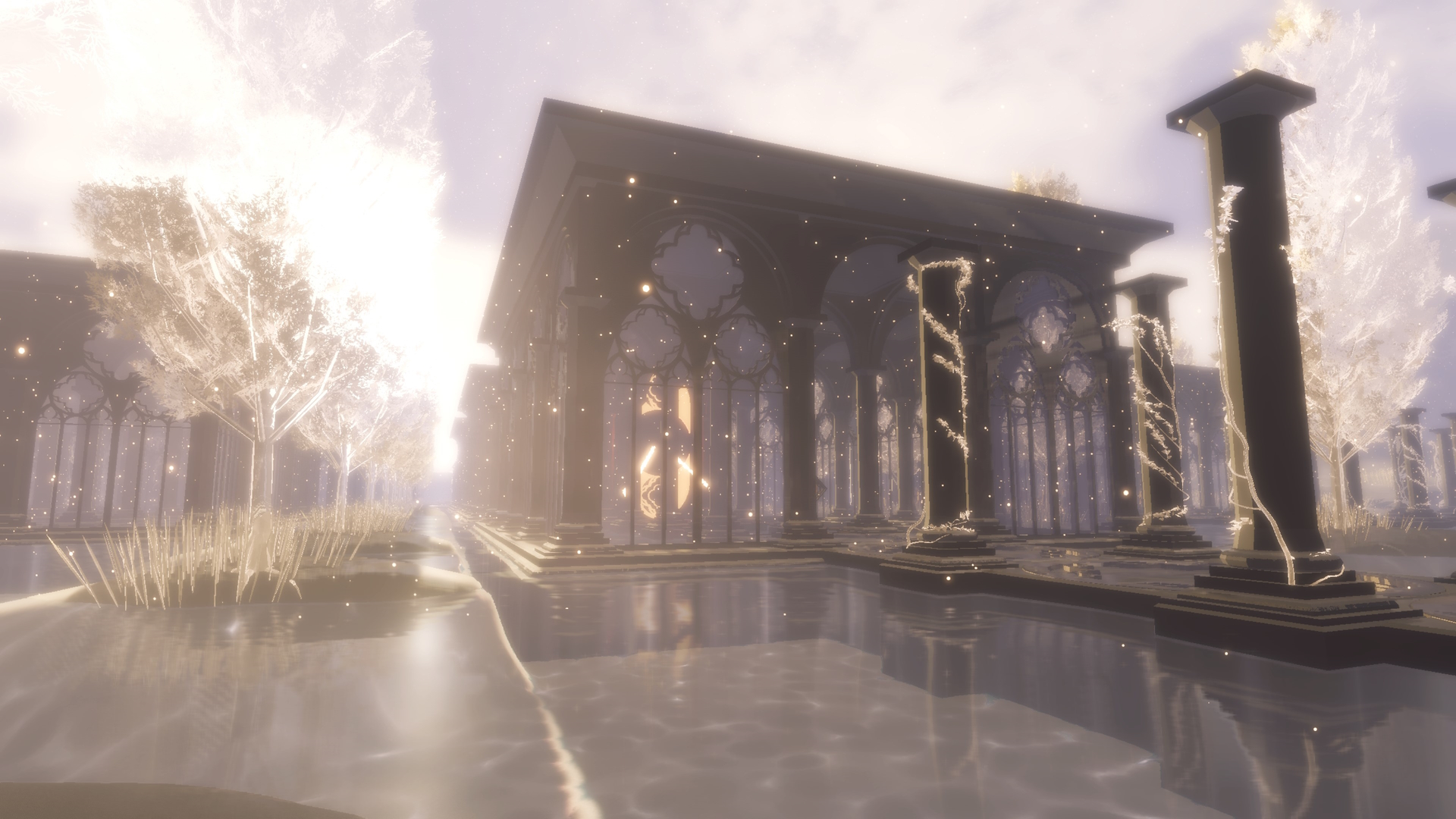
In Desolus, you traverse an Escher-like city while solving exploration puzzles in the form of jumping between two time periods. The purple tinged time period seems to be the future, while the orange tinged time period represents the past. Puzzles require you to not only flip between these time periods in order to progress, but even send objects in between them. For example, staircases, archways and towers from the pristine past can be brought and swapped in to a ruined future.
 The puzzle design is solid enough, being more cerebrally pleasing than challenging. Only a couple of the puzzles were really difficult to get through, but this isn’t a bad thing. The puzzles are just tricky enough to make you feel satisfied finishing them, even if you don’t necessarily feel smarter for doing it. The real satisfaction seems to be in the smooth execution of each idea, and watching it come to fruition several puzzles later, each puzzle perfectly building on the last one until you reach the final idea of each area.
Desolus is fairly short, with a single run being feasible in under or around two hours. The price point for that kind of length is a smidge high, and given the game doesn’t really have things like speed run modes or hidden challenges, there’s no real incentive to run through it again, unless you just really liked it.
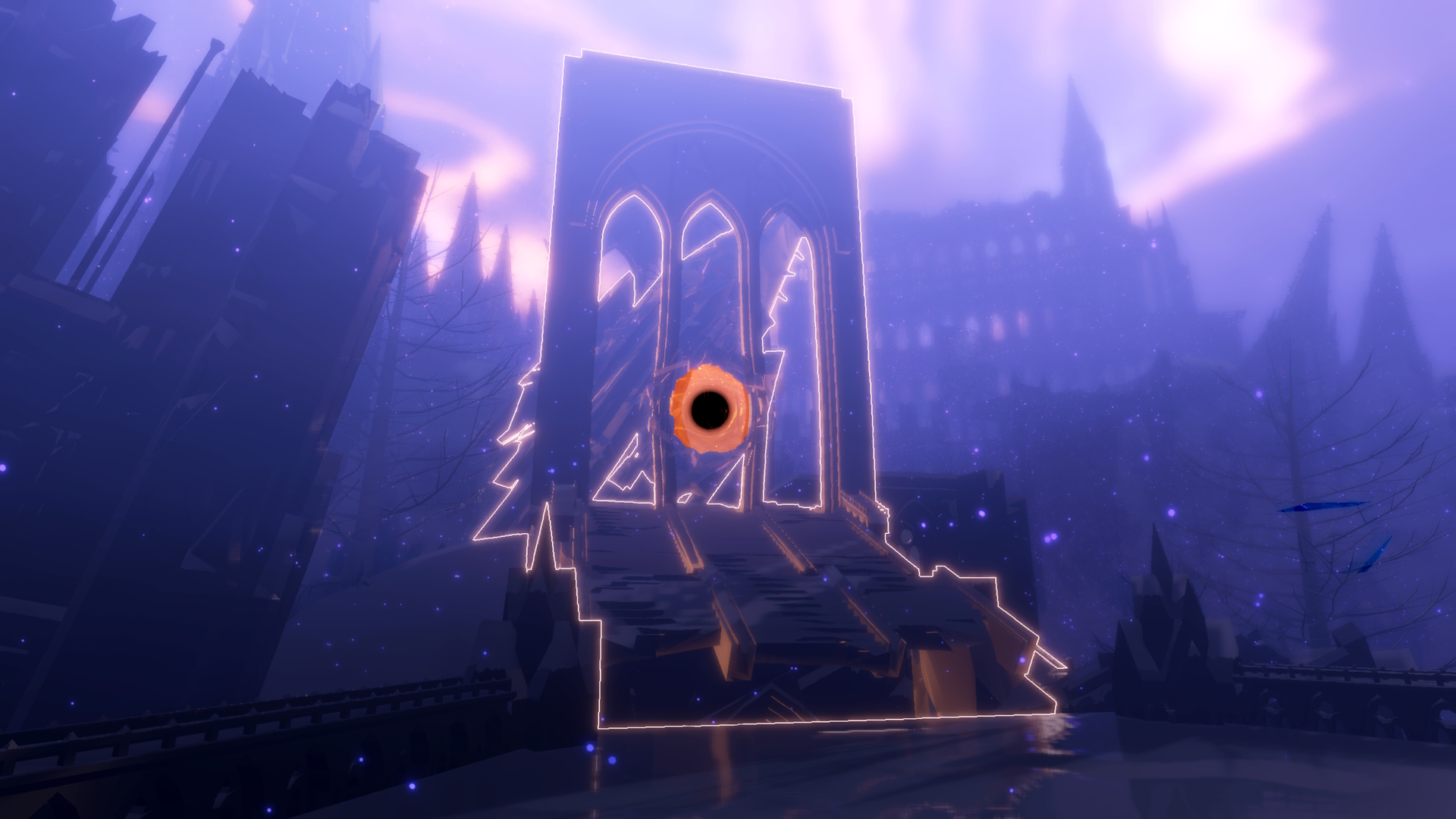
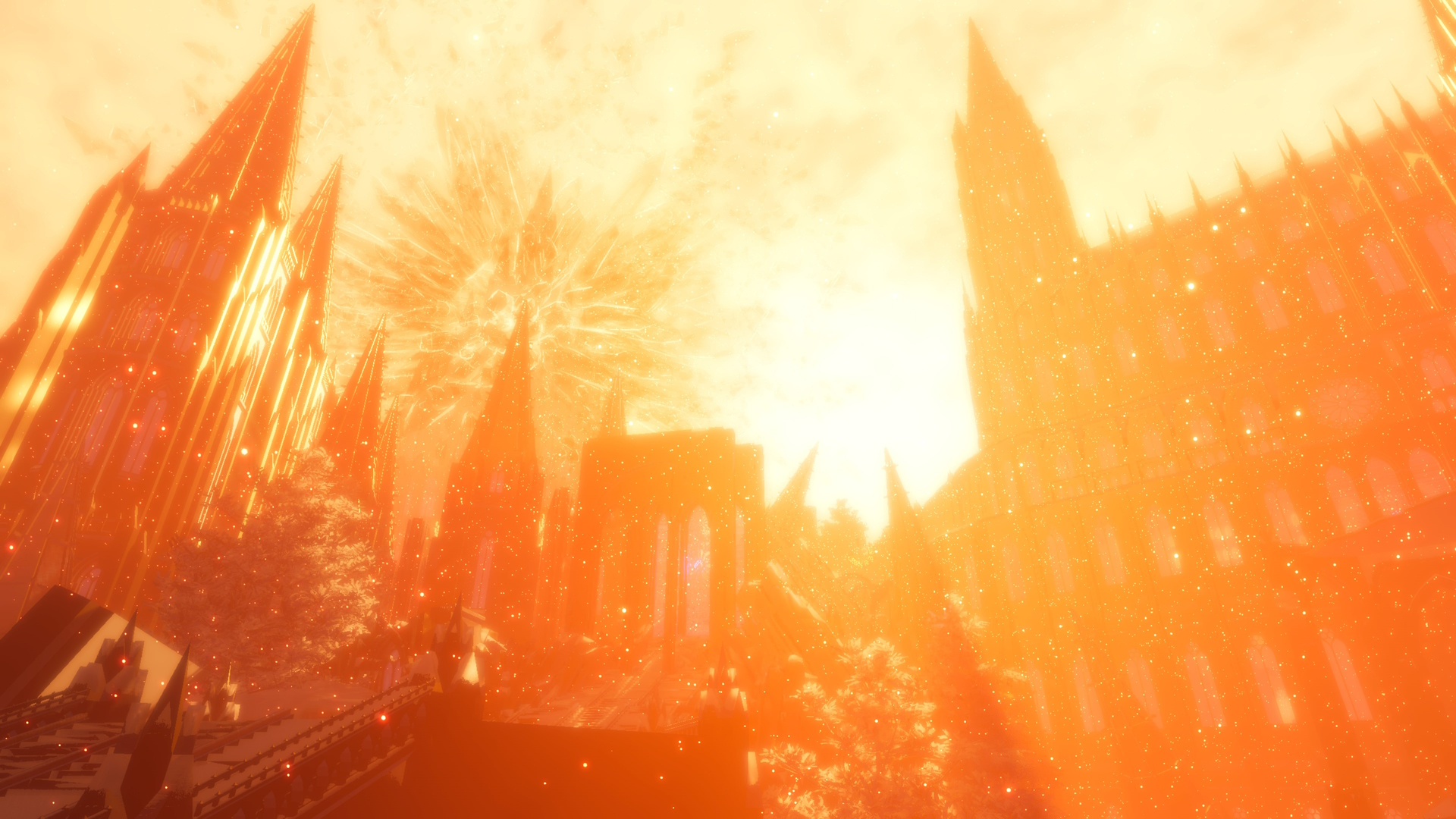
The biggest issue though is that the game is visually quite jarring. The framerate in spots dips fairly low, but even without that, the world is often permeated in a colour or two, making it look muddied. This seems to be intensified by the game’s sky lighting, because it’s much less noticeable (though not entirely gone) when you are indoors.
Where this does affect puzzles is when you are moving objects around within spaces. It is often hard to tell where something moves at first, or even when the exit can be triggered (every puzzle ends when you select the white clockwork mechanism at the end, and the highlight when it can be triggered is also white). Personally, it never got much easier to look at, even after getting used to the visuals somewhat.